

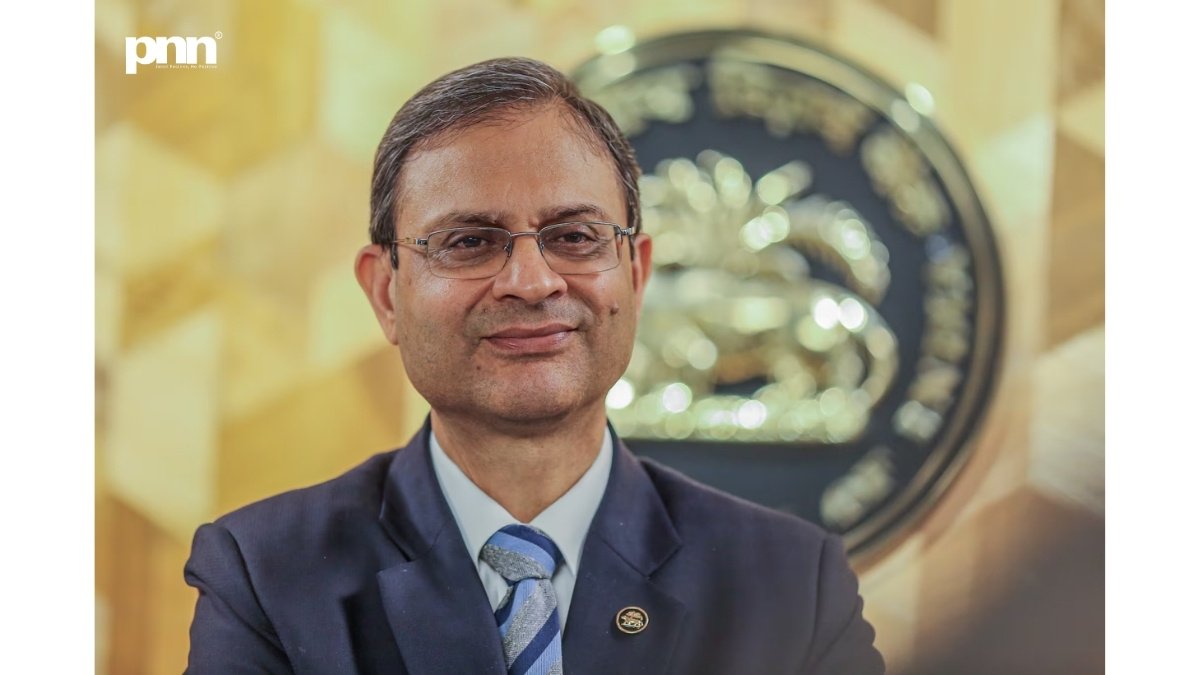
New Delhi [India], March 02: India isn’t overheating. It isn’t stalling either. According to the RBI, the economy is right where it needs to be, steady, balanced, and holding its nerve.
What the RBI Really Means by “Goldilocks”
The term gets thrown around a lot. Sometimes lazily. Sometimes, to avoid saying anything specific. But when Sanjay Malhotra talks about a Goldilocks phase, he’s being precise.
The Reserve Bank of India sees an economy that’s growing without lighting inflation on fire. Demand is alive. Credit is flowing. Financial stress isn’t creeping in through the back door.
And that’s the point.
In a world where economies are either slamming the brakes or flooring the accelerator, India is cruising. Calmly. Almost stubbornly so.
India’s Goldilocks Economy and the Strength of Demand
The backbone of the India Goldilocks economy is demand that refuses to collapse. Consumption hasn’t vanished the moment borrowing costs rose. Investment hasn’t frozen because of global uncertainty.
Households are still spending. Carefully, yes. But spending nonetheless. Businesses are expanding capacity where it makes sense. Infrastructure projects keep rolling, not in bursts, but steadily.
This isn’t headline-grabbing growth. It’s the kind that sneaks up on you and then sticks around.
Credit growth reflects this reality. Lending isn’t concentrated in one overheated corner. It’s spread across housing, services, industry, and MSMEs. That spread matters. A lot.
When growth is broad, it’s harder to break.
Banks, Finally, Are Doing Their Job
I still remember when any RBI speech about growth was followed by a quiet pause. Then someone would say it. Banks. Bad loans. Stressed balance sheets. Those words haunted every forecast.
That phase, largely, is behind us.
Malhotra made it clear. Banks today are stronger, better capitalised, and far more disciplined. Asset quality has improved. Provisioning buffers exist for bad days, not just good PowerPoint slides.
Risk-taking hasn’t disappeared. It’s just smarter now. Less bravado. More math.
And honestly, that’s exactly what the India Goldilocks economy needs. Banks that lend without panicking. And without gambling.
Inflation Still Bites, But It’s Not Running Wild
Let’s not pretend inflation feels gentle. It doesn’t. Especially food prices. They spike. They fall. They spike again. Don’t ask me why onions always end up starring in macro debates, but here we are.
Still, the RBI’s assessment is measured. Inflation pressures exist, but they aren’t spiralling. Core inflation has moderated. Expectations remain anchored.
Malhotra didn’t dismiss the risks. Global commodity swings. Weather shocks. External volatility. All acknowledged.
But here’s the key line. Inflation is manageable.
That single word changes everything. Manageable inflation allows growth to continue. Unmanageable inflation kills it. India, for now, sits on the right side of that line.
Global Mess, Domestic Composure
Zoom out for a second. The global economy is jittery. Trade tensions simmer. Geopolitics refuse to calm down. Capital flows move at the speed of headlines.
And yet, India’s macro foundations hold.
Foreign exchange reserves act as a buffer. Fiscal consolidation continues, even if not at breakneck speed. External balances remain within comfort zones.
This doesn’t mean India is immune. No economy is. But shocks are being absorbed, not amplified.
That difference is the unsung hero of the India Goldilocks economy.
Why This Phase Could Last Longer
The RBI isn’t promising fireworks. No chest-thumping. No victory laps. What Malhotra is signaling is continuity.
Growth that’s strong enough to create jobs. Monetary conditions that are supportive without being reckless. Policy that responds to data, not noise.
In other words, discipline.
And discipline is boring. Until you realize how rare it’s become.
India isn’t chasing sugar highs. It’s building stamina. That’s why this Goldilocks phase might actually last longer than skeptics expect.