
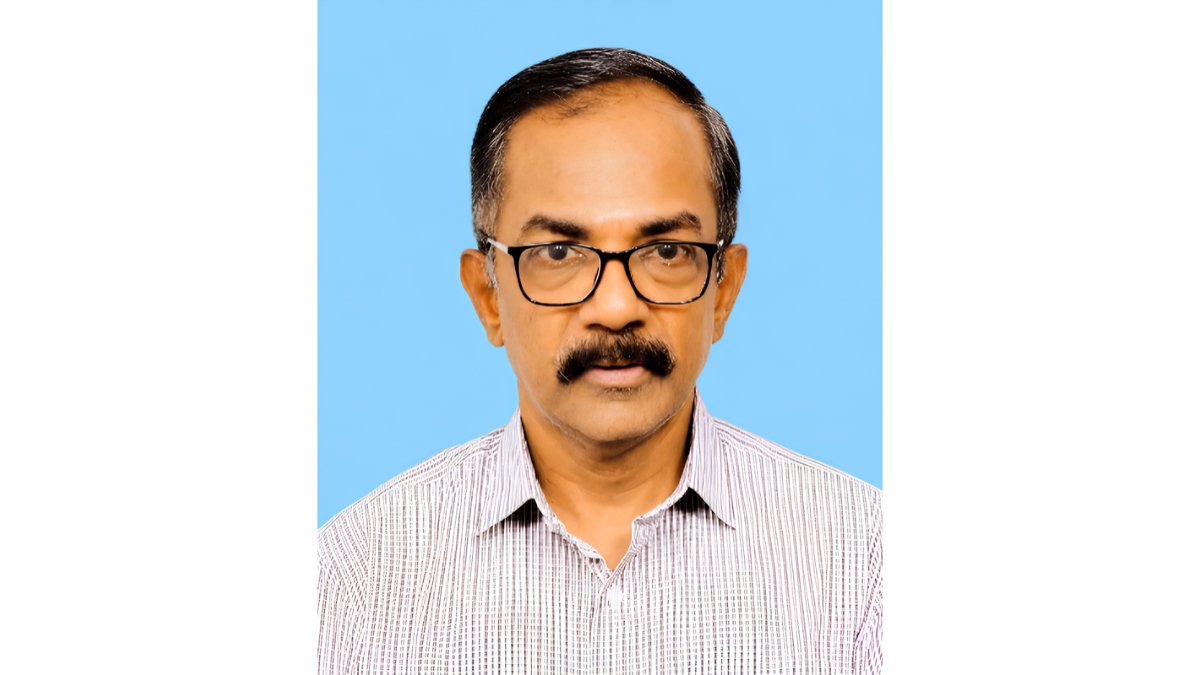
Dr G. M. Gnanapandithan
Chennai (Tamil Nadu) [India], November 26: India’s success in eliminating polio as an endemic public-health threat stands as an important example of what sustained immunisation efforts can accomplish. However, maintaining this achievement requires continued attention to childhood vaccination, particularly as newer generations grow up without having witnessed the devastating effects of the disease.
Polio remains a global concern, with wild poliovirus type 1 continuing to circulate in Afghanistan and Pakistan. India’s proximity to these countries and ongoing cross-border movement reinforce the importance of maintaining strong immunisation coverage and surveillance even after achieving polio-free status.
Dr G. M. Gnanapandithan, Senior Paediatrician and HOD, SMF Hospital, Chennai, said,
“One of the challenges with diseases that have become uncommon is that their seriousness may gradually fade from public memory. Parents today may have little direct experience of polio, but that should never reduce the importance of vaccination. Sustaining the protection achieved through decades of immunisation requires every new generation of children to receive its recommended doses.”
Polio is caused by a highly infectious virus that primarily affects young children. It can spread even when infected individuals show no symptoms or experience only mild illness. In certain cases, the virus attacks the nervous system, resulting in irreversible paralysis. Around one in 200 infections can lead to paralysis, and 5–10% of those who develop paralysis may die if their breathing muscles are affected. There is currently no cure for the disease.
India’s childhood immunisation schedule provides for three primary doses of the polio vaccine at 6, 10 and 14 weeks, followed by booster doses at 16–18 months and 4–6 years. Completing this schedule is important to maintaining protection throughout early childhood.
Dr Gnanapandithan added,
“The responsibility of keeping children protected extends beyond the initial vaccination visits. Families should pay equal attention to booster doses, which form an important part of the recommended schedule. Paediatricians also have an important role in helping parents understand the schedule and follow up on any pending vaccinations.”
India’s polio-free status represents the collective efforts of public-health authorities, healthcare workers and communities. Preserving it requires vaccination to remain a priority, supported by consistent surveillance and awareness among families. The objective is to ensure that the progress achieved through previous generations continues to benefit children born today.
If you object to the content of this press release, please notify us at pr.error.rectification@gmail.com. We will respond and rectify the situation within 24 hours.