
New Delhi [India], June 13: Waiting used to be baked into daily life.
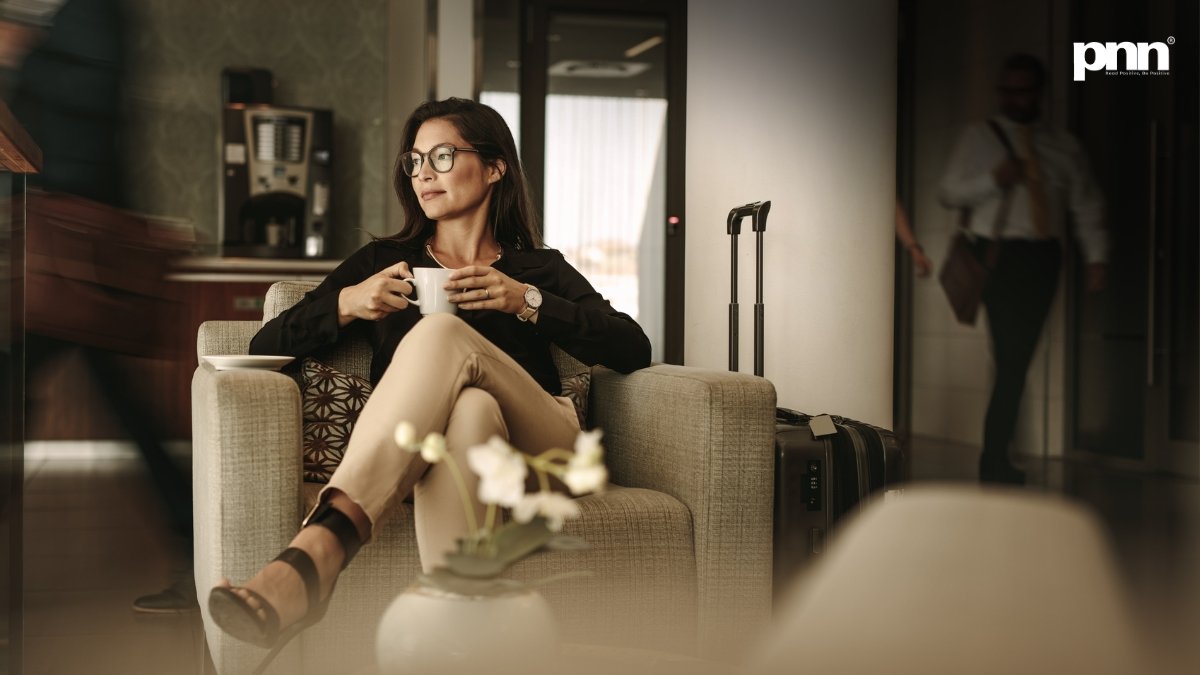
You waited for the bus and watched the world move around you—strangers passing, snippets of conversation you were never meant to hear. Lines at the grocery store stretched on, and you had nothing to do but listen, really listen, to lives that weren’t yours. You’d sit alone in a café, aimlessly dragging a finger through a coffee ring, letting the scent wash over you. Train stations, airports, the doctor’s waiting room—these were pockets of unclaimed time, spaces where your mind could drift.
Now, it feels like those moments barely exist.
The second things slow down, out comes the phone. Waiting gets treated like a glitch in the system—something to fix. Every free minute fills up: notifications, tiny videos, emails, scroll after scroll. Silence gets swapped for the glow of the screen. What used to be a pause becomes another chance to gobble up something new.
In chasing efficiency, we’ve probably lost something bigger than time. We’ve lost the knack for just being still—for letting those moments wash over us.
Everything now shouts for immediacy. Groceries at your door in minutes. Movies at the tap of a screen. Texts that seem to demand answers right now. Google Maps guesses when you’ll arrive before you’ve even left. Sure, convenience is magic, but it’s also changed what it feels like to wait.
Now, waiting almost feels like you’ve failed.
If a website lags, you can feel your jaw clench. If food delivery is late, you’re hunting the rider on the app like it’s a game. If someone doesn’t text back right away, your mind spins all sorts of stories before the truth gets a word in.
We’re hooked on motion—even when nothing much is happening.
The weird thing is, those pauses used to matter.
Psychologists say we need “mental downtime”—those open spaces where your mind isn’t aimed at anything in particular. That’s when memories settle in, emotions find a place to land, weird and wonderful ideas bubble up.
Think about those long, boring car rides as a kid, staring out the window. Walks with nothing in your ears but your own thoughts. Standing outside a classroom, nervous before a test. None of it felt exciting at the time, but your mind went places—surprising, unexpected places—because no one interrupted.
Now, letting your thoughts wander almost feels like a lost art.
We don’t really look around. We look down.
We don’t watch the world nearby, just screens filled with curated, faraway lives.
The person reading a newspaper on the bench, the way the sky changes at sunset, the hush of a slow afternoon in a café—those little things never stand a chance against something made to grab your attention.
It sounds small, but it adds up.
There’s less chance for reflection.
Waiting used to make us curious. You noticed the shape of a building, the mood of the weather, the subtlest change in someone’s face. You had space to replay memories, wonder about what could happen, or just let your brain drift for a while.
Those moments rarely felt important.
But they quietly shaped how we paid attention—how creative, or just present, we could be.
This isn’t some rant against phones. They’re part of us now—how we work, connect, learn, cope.
The real problem? We forget it’s all right to have empty spaces.
So next time you’re stuck in a line, riding the train, waiting in the rain at a bus stop—hold off a second before reaching for your phone.
Lift your head. Watch people. Feel the weather. Let your thoughts come and go, see what sticks.
Maybe nothing much will happen. Or maybe something will—a little spark, a new idea, a memory you forgot you had.
That’s the old skill you’re reclaiming—not productivity, not efficiency. Just being here, right now.
Waiting wasn’t just about passing time. It was one of the few times in the day that truly belonged to you.